
The Peloponnese is the large peninsula south of Athens. It holds some of the most famous ruins in Europe. Greece tours here suit friends travelling together, big families, clubs, school classes and company teams. Each area mixes ancient stones, sea views and delicious food, so every person in the group discovers something to enjoy.
This guide from My Greece Tours looks at each area in turn. It covers the sights worth seeing, the kinds of tours groups book and the amenities those tours include. Guides, meals, swim stops and comfortable coaches all shape a group day. Each section explains why they matter and adds clear, practical tips.
What Can Groups See At Mycenae, Epidaurus And Nafplio?
Groups at Mycenae, Epidaurus and Nafplio see a royal citadel from Greek myth and an ancient theatre with perfect sound. Nafplio adds a pretty harbour town below a hilltop fortress. Planners who compare Greece tours and Tours In Greece find this classic loop near the top of nearly every list for travelling groups.
Which sights stand out at Mycenae, Epidaurus and Nafplio?
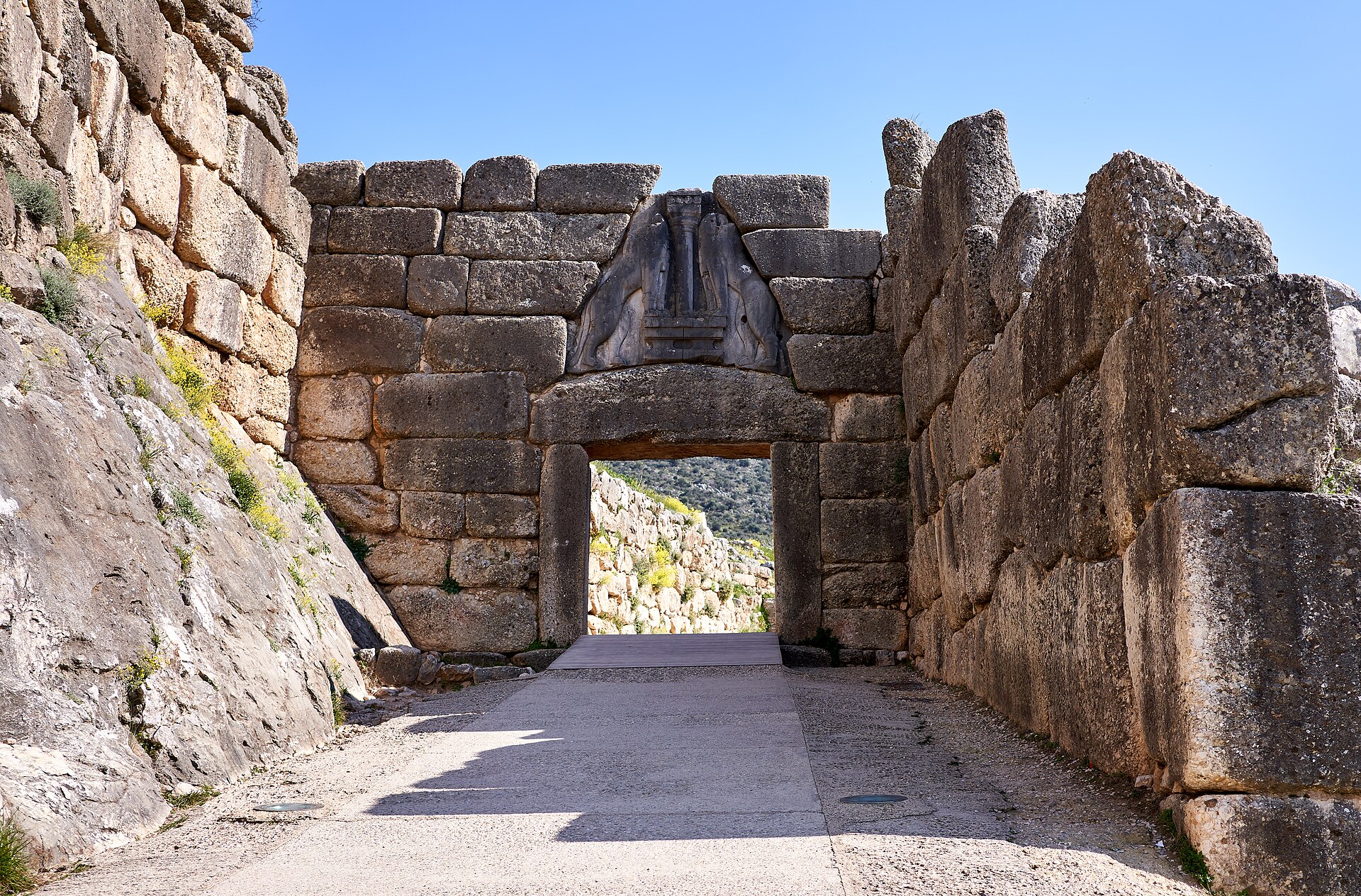
At Mycenae, groups climb to the citadel, a walled royal town on a hill. They pass under the Lion Gate, where carved lions still proudly guard the entrance. Inside lie the royal tombs where archaeologists found golden masks. The citadel walls use stones so enormous that later Greeks believed giants built them.
Just below the hill stands the Treasury of Atreus, a giant tomb shaped like a stone beehive. Its dark, cool dome creates a magical echo. A short drive away, Epidaurus holds the ancient theatre famous for its sound. A whisper on the stage reaches the highest seats, and local guides love to prove it.
Next to the theatre lies the Sanctuary of Asklepios, a holy healing place for the god of medicine. A small museum displays its ancient finds. Nafplio then completes the day. Its charming old town lanes lead to Syntagma Square, while the Palamidi fortress crowns the hill and the Bourtzi castle guards the harbour.
Which kinds of Greece tours go to Mycenae, Epidaurus and Nafplio?
Full-day trips from Athens by coach are the most popular Greece tours for large groups. One booking covers the whole loop. Nobody in the group has to drive, park or read a map. School classes, clubs and company teams prefer this plan because everyone travels, eats and arrives together. The guide handles every detail.
Small-group tours suit friends and families who want more time with the guide and fewer strangers around them. Half-day tours work well for groups already staying in Nafplio, since they reach Mycenae or Epidaurus and return before the afternoon heat. Grandparents and young children enjoy the shorter, gentler pace of these relaxed trips.
Boat cruises with swim stops leave from the coast near Nafplio and suit energetic groups of friends who want a relaxing sea break. Self-guided visits with audio or VR guides fit families who prefer to set their own speed. The VR headsets rebuild the ruins digitally, which keeps teenagers curious and entertained.
What amenities do groups get on Mycenae, Epidaurus and Nafplio tours?
A licensed or local guide is the most valuable asset on this loop. The guide turns piles of stone into exciting stories of kings, gods and healers, and keeps a group moving at a steady pace. Audio or VR guides add extra detail for anyone who wants to wander off a little alone.
Lunch or a BBQ meal sits in the middle of many trips, at a family taverna near Nafplio. A shared table gives everyone a rest and a chance to discuss the morning. A comfortable coach or minibus with cool air and roomy seats makes the long road from Athens relaxing for every passenger.
Free time to explore matters equally for a mixed group. Some friends shop for colourful local crafts in Nafplio while others relax with a coffee beside the sea. On trips with swim stops, everyone cools off in clear water before the journey home. It is a perfect ending to the day.
What tips help groups at Mycenae, Epidaurus and Nafplio?
Groups that start early enjoy cooler, quieter sites in the morning. Everyone needs a hat, a water bottle, sun cream and shoes with good grip, since the paths at Mycenae are rocky and uneven. Shade is rare among the ruins, so a light scarf or small umbrella helps older members feel comfortable.
To keep everyone together, the group leader chooses a clear meeting point at every stop, like the theatre steps or the coach door. A shared group chat helps when curious people wander off into Nafplio’s narrow lanes. Snacks, tissues and a small first aid kit keep children and adults cheerful between visits.


What Can Groups See At Ancient Corinth And The Canal?
Groups at Ancient Corinth and the canal see a waterway cut through solid rock and a proud temple beside a Roman market square. A mountain castle above offers sweeping views. It is an easy first stop on Greece tours heading west from Athens. The canal sits beside the main road, so coaches stop with ease.
Which sights stand out at Ancient Corinth and the Corinth Canal?
The Corinth Canal is a deep, narrow channel cut through solid rock to link the Gulf of Corinth with the Saronic Gulf. From the bridge, groups look straight down the steep walls to the blue water far below. Ships glide through the gap below, and the view makes a memorable group photo.
Ancient Corinth was once a wealthy trading city. Its Temple of Apollo still displays thick stone columns against the sky. Nearby spreads the Roman forum, the old market square where citizens traded and gathered. In its centre stands the Bema, a raised stone stage where Apostle Paul spoke to the people of Corinth.
The site museum displays statues, pottery and colourful floor mosaics discovered in the ancient city. High above, the Acrocorinth castle crowns a rocky hill, with walls built by many rulers over the ages. For an easy start before the visit, the page on Greek history you should know gives everyone the same background.
Which kinds of Greece tours go to Ancient Corinth and the Corinth Canal?
Half-day tours from Athens suit company groups with a busy schedule, since the canal and the old city sit near the capital. Full-day trips from Athens by coach add extra stops and suit school classes. Private tours with a driver-guide, priced per group, make sense for large families who want to control the pace.
On the water, boat cruises with swim stops sail through the canal itself, an exciting ride for every age. Glass-bottom boat passages let children watch the rock walls and colourful sea life up close. Some groups hire a private boat with a skipper, also priced per group, for a calm crossing together.
Church groups choose faith tours in the footsteps of Apostle Paul. These stop at the Bema for a quiet moment of reflection. Self-guided visits with audio or VR guides and simple entry tickets suit groups who want to explore at their own pace. Such options give every kind of group a suitable choice.
What amenities do groups get on Ancient Corinth and the Corinth Canal tours?
A licensed or local guide brings Ancient Corinth to life for the whole group. The ruins spread wide, so a guide points out the temple, the forum and the Bema in a clear, logical order. Faith groups especially value a guide who connects each stone to the letters Paul wrote to the Corinthians.
Entry tickets included in the booking save hassle at the gate. Leaders hand them out at the entrance. The group skips the ticket line, enters together and starts the visit on time. This matters most for school classes and company groups, where one missing ticket can delay everyone and spoil the schedule.
Audio or VR guides help when the group splits up for a while. Teenagers enjoy VR views that rebuild the temple and Roman market. Older members follow the audio story at their own speed, resting in the shade. Everyone then reunites with the same facts to share over coffee and lively conversation.
What tips help groups at Ancient Corinth and the Corinth Canal?
The canal and the ruins have little shade, so groups do best in the morning or late afternoon. Everyone needs sun hats, water and comfortable shoes for the dusty, stony paths. The climb to Acrocorinth is steep, so the group lets fitter members go up while others relax in the village below.
The canal bridge gets busy with traffic and other visitors, so leaders keep children close and agree on a clear meeting spot. A quick head count before the coach leaves each stop prevents stress and delays. Church groups who plan readings at the Bema bring printed copies so everyone can follow along.
What Can Groups See At Ancient Olympia?
Groups at Ancient Olympia walk through the birthplace of the Olympic Games. They explore the old running track, the temples and a museum full of famous statues. Sports clubs and school classes rank it among the most exciting Greece tours in the country. The site sits in a green valley full of pine trees.
Which sights stand out at Ancient Olympia?
At Olympia, groups enter the ancient stadium through a stone tunnel, just as proud champions did long ago. The long, flat track lies between grassy banks where excited crowds once sat and cheered. Many groups organise a friendly race here. The laughter makes it a highlight for every age, from children to teachers.
Nearby lie the fallen columns of the Temple of Zeus, which once held a giant gold and ivory statue of the god. That statue was made in the workshop of Pheidias, a celebrated sculptor whose studio walls still stand. The Temple of Hera is where the Olympic flame is lit before every Games.
The gymnasium and palaestra were training grounds, where athletes ran, wrestled and boxed before the big competitions. The Archaeological Museum holds the Hermes of Praxiteles, a beautiful marble statue of the messenger god. Cruise groups arrive at Katakolon port, a short ride away, and easily reach all of this in a single morning.
Which kinds of Greece tours go to Ancient Olympia?
Shore excursions timed for cruise ship groups are the most common Greece tours here. They meet passengers right at Katakolon and return them comfortably before the ship sails again. Half-day tours from the port suit cruise families with young children and older relatives. The visit stays short, simple and easy for everyone to follow.
Full-day trips from Athens by coach make a long but rewarding day for school classes, teachers and sports clubs. Private tours with a driver-guide, priced per group, give large families and company teams a flexible itinerary. Shared minibus tours fit smaller groups of friends who want good company at a lower overall cost.
Groups who value freedom pick entry tickets and explore at their own pace. Self-guided visits with audio or VR guides add the stories without a fixed schedule. This option suits families who stay overnight nearby in the modern village. They stroll in early, before the tour buses arrive and the midday heat builds.
What amenities do groups get on Ancient Olympia tours?
A licensed or local guide makes Olympia far more exciting for every age, from children to grandparents. Without a guide, the ruins look like scattered stones. With one, the group imagines the cheering crowds, the runners and the winners crowned with olive wreaths. Younger members ask eager questions all the way round.
Entry tickets in the package mean the group walks straight in, which matters for cruise groups on a tight schedule. One person holds all the tickets, and the guide leads everyone through the main gate together. Combined tickets cover the site and the museum, so nobody queues twice in the summer heat.
Audio or VR guides let curious members dig deeper at the workshop of Pheidias or the Temple of Hera. A comfortable coach or minibus links it all, from the port or Athens to the gate. Cool seats and room for bags make the ride home restful after a hot day on foot.
What tips help groups at Ancient Olympia?
Olympia gets hot by midday, and the site is wide and open to the sun. Smart groups arrive early, carry water and wear hats and light clothes. Pine trees give some welcome shade, so leaders pick a shady spot as the meeting point and remind everyone of it at the gate.
Cruise groups watch the clock carefully and keep the ship’s all-aboard time on every phone. Families with young children plan the museum visit for the warmest part of the day, since its rooms are cool and calm. Comfortable shoes with good grip help on the gravel paths and the dusty stadium track.


How Do Groups Add Monemvasia, Mystras And Multi-Day Greece Tours?
Groups add Monemvasia, Mystras and the far south by choosing multi-day Greece tours with hotel nights. These trips turn long drives into easy, relaxed stages. They suit families and clubs who want more than a day trip from Athens. Each night brings a new town, a fresh meal and a good, comfortable rest.
Which sights stand out at Monemvasia, Mystras and multi-day routes?
Monemvasia is a town built on an enormous rock in the sea, connected to the land by a narrow road. Inside its sea walls, stone lanes twist past old churches, arches, flowers and small guesthouses. No cars enter the old town, so groups wander freely and enjoy wide sea views at every turn.
Mystras is a Byzantine hill town. That means it grew during the long rule of the eastern Roman emperors. Its churches glow with colourful painted walls, and a grand palace stands near the top of the hill. Many Mystras tours pair it with nearby Sparta, the legendary home of fierce ancient warriors.
In the south, Kalamata, the wild Mani coast and the Diros caves, explored by small boat, show a quieter side. Longer loops join the Peloponnese with Delphi, where a priestess called the oracle once gave advice, and Meteora, with monasteries on rock towers. Groups also add the Saronic islands of Hydra, Poros and Aegina.
Which kinds of Greece tours go to Monemvasia, Mystras and multi-day routes?
Multi-day tours with hotel nights are the best choice for exploring this part of the Peloponnese. They link Mystras, Monemvasia and the Mani in one smooth route. The group never feels rushed along the way. Large families, clubs and company groups appreciate having one plan, one guide and one shared adventure.
Full-day trips from Athens by coach reach Mystras or Monemvasia on a long but rewarding day, which suits busy company teams. Boat cruises with swim stops visit the Saronic islands and suit lively groups of friends and older students who love the sea. Families with small children enjoy the calm water at each stop.
Self-guided visits with audio or VR guides work well at Mystras, where the paths climb between churches and the group splits by fitness. Entry tickets suit groups who want to explore at their own pace, then meet again for lunch in the lower town. Teenagers especially love the VR views of the palace.
What amenities do groups get on Monemvasia, Mystras and multi-day routes tours?
Hotel nights on multi-day trips are the key amenity here. The group sleeps in comfortable hotels along the route, so nobody faces a long drive back to Athens each night. Calm evenings and slow mornings turn the trip into a real holiday together. Each hotel also gives tired members a quiet room to rest.
A licensed or local guide explains Byzantine art, Spartan legends and Mani tower houses in plain words that children follow. Entry tickets arranged in advance save time and queues at every gate. Audio or VR guides fill quiet moments and help members who want extra detail on the beautiful churches of Mystras.
Lunch or a BBQ meal brings the whole group together in the middle of a busy day. In Monemvasia, a long table on a terrace above the sea feels truly special for families and clubs. On boat cruises, a BBQ on deck adds fun and laughter before the next refreshing swim.
What tips help groups at Monemvasia, Mystras and multi-day routes?
Multi-day groups pack light, with one small bag each, because hotels change often along the route. Good walking shoes are a must for the steep stone lanes of Monemvasia and Mystras. Leaders share a simple daily plan every morning, so everyone knows the meeting times, the lunch stop and the hotel name.
Mystras is best seen early, before the sun heats the hillside and the paths get busy. Groups carry water, hats and sun cream, and plan a shady rest stop near the lower gate. On boat days, swimwear, towels and seasickness tablets for sensitive members keep the day smooth and pleasant for everyone.
Conclusion: Best Greece Tours For Groups, Planned Well
The Peloponnese gives groups a rare mixture of mythology, history, beaches and food in one convenient region. The best Greece tours for groups fit the people, from fast day trips for busy teams to slow, scenic loops for families. Good guides, shared meals and comfortable transport hold it all together from start to finish.
Groups who want the classic sites without the planning stress can follow an ancient Greece 4-day tour from Athens as a model. Routes like this connect the greatest sites of the Peloponnese in one smooth trip. With early starts, clear meeting points and plenty of water, every group returns home with happy shared stories.
Frequently Asked Questions About Best Greece Tours For Groups
Which Peloponnese Greece tours suit big groups best?
Full-day trips from Athens by coach and multi-day tours with hotel nights suit big groups best. They keep everyone together on one vehicle, with one licensed guide and a clear, fixed plan. Smaller groups of friends also enjoy private tours with a driver-guide, priced per group, for extra freedom and more flexibility.
Can groups see Mycenae, Epidaurus and Nafplio in one day?
Yes, a full-day trip from Athens by coach covers the whole classic loop in a long but rewarding day. The group sees the Lion Gate, hears the famous theatre sound and walks the old town of Nafplio. Families with young children prefer a slower pace, with a relaxing night in Nafplio’s old town.
Do Peloponnese Greece tours include entry tickets?
Some do and some do not, so groups check the booking details carefully before they pay. Many guided Greece tours list entry tickets as an extra, while others include them in the price. Booking tickets ahead keeps a big group together at the gate and saves precious time in the hot sun.
How far ahead should groups book Peloponnese Greece tours?
Groups book as early as they can, because popular Greece tours fill fast in spring and summer. Large groups need many seats together on one coach and rooms in the same comfortable hotels. Early booking also gives the organiser time to collect names, share the plan and answer every question calmly.
Is Ancient Olympia easy to visit from a cruise ship?
Yes, cruise ships dock at Katakolon, a small port a short ride from the ancient site. Shore excursions timed for cruise ship groups bring passengers to Olympia and back well before the ship sails. Groups who prefer freedom take a shared minibus tour or use entry tickets with an audio guide instead.
What is the best month for Peloponnese Greece tours?
September is the best month for most groups, with warm sea water, softer heat and calmer, quieter sites. Late spring works almost as well, with green hills, wild flowers and pleasant walking weather. Midsummer brings strong heat at open sites like Olympia, so groups visiting then start very early in the morning.
How do big groups book Peloponnese Greece tours?
Big groups book Peloponnese Greece tours through one organiser who sets the dates, budget and wish list early. One local operator then arranges transport, guides and tickets as a single package. The complete guide for group organisers walks through each step, from the first message to the final payment.
Who handles the booking for Greece tours?
One person acts as the main contact for the whole group from start to finish. This leader collects names, answers questions and speaks with the operator, so messages never get mixed up. Clubs, families and company teams pick someone calm and organised who replies to emails and calls quickly.
Before the first enquiry, the leader gathers the key facts in one simple note. These include the group size, the ages of any children, walking limits and the kind of trip everyone wants. Clear facts help the operator shape Greece tours that suit every member from the very start.
Groups with grandparents or toddlers read family-friendly Greece travel tips before sending any request. That advice covers rest stops, meal times and a gentle pace for every age. It also helps the leader ask the operator the right questions about long drives, steep steps, toilets and shade.
What should the group confirm in writing?
Before paying any deposit, the organiser checks exactly what the package covers. Transport, guide fees, entry tickets, meals and hotel nights each need a clear yes or no in writing. Anything left vague turns into a surprise cost on the day, which upsets a big group fast.
The organiser also compares several offers side by side before choosing. The guide to choosing the right Greek tour explains how to weigh pace, comfort, group size and value. The cheapest offer is not always the best choice for Greece tours with children or older members.
Multi-day Greece tours need extra care with the route and the pace. Reading about picking an escorted tour itinerary helps the group judge daily driving time, hotel changes and free afternoons. A relaxed route keeps energy high and tempers calm across the whole group.


Why do licensed guides matter on Greece tours to ancient sites?
Licensed guides matter because only state-licensed guides are allowed to lead groups inside Greek archaeological sites and museums. They also turn silent ruins into clear, lively stories. Greece tours with a licensed guide teach more, run smoother and leave every member with a richer memory of the day.
What do licensed guides add on Greece tours?
This rule protects fragile monuments and keeps the stories accurate for all visitors. Organisers simply ask the operator to confirm in writing that a state-licensed guide leads every site visit. Leaders can also ask to see the guide’s official licence card at the meeting point.
A good guide on Greece tours explains history words in plain language. A citadel becomes a fortress on a hill, and a sanctuary becomes a holy place for a god. Teenagers and grandparents follow the same story, which keeps the whole group talking over lunch.
Guides on Greece tours also bring each place to life with small details. They point out carved symbols, explain old building methods and share myths that children remember long after the trip. Company teams enjoy these stories as much as school classes do.
Groups who love the past build whole trips around these experts. Historical tours of Greece pair each site with a guide who knows its myths, kings and battles. Smaller groups also enjoy small-group and private experiences, where the guide has time to answer every single question.
How do guides keep big groups safe and polite?
Busy sites get crowded in high season, and a big group easily breaks apart near the entrance. Licensed guides know the quiet paths, the shady corners and the best order to see each ruin. They set clear meeting points and count heads before the group moves on to the next stop.
Guides also warn about uneven stones, slippery marble, loose gravel and steep steps. Many use small radio headsets, so everyone hears the story clearly without crowding around the guide. This helps members with weaker hearing and keeps the group calm, close and safe.
Good manners matter at sacred and ancient places too. Guides remind groups not to touch, climb or sit on ancient stones, and to keep voices low in churches. The advice on cultural etiquette for Greece visitors covers greetings, photo rules and polite behaviour in villages.
How do groups handle the summer heat on Greece tours?
Groups handle the summer heat by starting early, drinking water often, covering up and resting in the shade at midday. Well-planned Greece tours build these habits into every day. The safety tips for Greece tourists add useful advice on sun, water and first aid.
When do groups visit sites in summer?
The best time for open ruins on summer Greece tours is early morning, when the air is cool and the light is soft. Late afternoon works well too, as the heat fades and the crowds thin. Midday suits indoor museums, a long shaded lunch or the coach ride to the next stop.
Good Greece tours plan the day around this rhythm. A site visit in the morning, a taverna lunch in the shade and a cool museum afterwards keep everyone fresh. The group then saves the warm evening for a gentle stroll by the sea.
Long coach rides also become welcome breaks from the sun. Everyone sits in cool air, sips water, rests tired legs and watches the hills roll past. Many routes follow the scenic drives in mainland Greece, so the journey feels like part of the trip.
Swim breaks also help a great deal on hot days. Many Peloponnese Greece tours pass beaches near Nafplio, Tolo or the Mani coast, and a quick dip cools everyone down. Groups pack swimwear and a small towel in the day bag, just in case.
What do groups pack for hot Greece tours?
Each member on summer Greece tours carries a small day bag with the basics for heat. Leaders send this short packing list to everyone well before departure:
- A wide hat and sunglasses
- A refillable water bottle
- High-factor sun cream
- Light, loose clothes in pale colours
- Comfortable shoes with good grip
- Salty snacks and a small fan
Water matters most of all on hot days. Members drink small amounts often, even before they feel thirsty, and refill bottles at every café and coach stop. Children and older travellers need extra reminders, since their bodies feel the heat faster.
Leaders also watch closely for signs of heat trouble, such as headaches, dizziness, red skin or unusual tiredness. Anyone who feels unwell moves to the shade, sips water and rests. The guide or driver calls for help quickly if things do not improve.
How do groups share costs on Greece tours?
Groups share costs by booking one package priced per group, then splitting it evenly or by family into fair, clear shares. This method keeps money talk on Greece tours simple and friendly. The budget tips for Greece visitors show more ways to travel well for less.
Why do bigger groups pay less per person?
Many private Greece tours charge one price for the whole vehicle and guide. That price stays the same whether a few or many seats are filled, up to the vehicle’s limit. So each extra friend or relative lowers the share for everyone else in the group.
This makes personalised private tours good value for big families and clubs. When the vehicle is full, the share per person drops close to the cost of a shared tour. The group also gains a flexible pace, its own schedule and a guide who focuses only on them.
Shared costs on Greece tours also cover extras that are easy to forget during planning. Road tolls, parking fees and separate guide fees sometimes sit outside the main price. Asking about them early keeps the final split fair and stops awkward surprises later.
Ticket costs on Greece tours also change the split. Children and many students enter Greek state sites free or at a reduced price, with proof of age or a student card. The treasurer adjusts each family’s share to match, so nobody pays for tickets they never needed.
How do groups collect money for Greece tours?
One trusted person, often not the main organiser, acts as the group treasurer. This person collects deposits, pays the operator and keeps every receipt in one folder. A shared spreadsheet shows who has paid and who still owes, so nobody needs to chase friends in person.
Payment apps make the split on group Greece tours quick and clear. Each member pays their share straight to the treasurer, with a short note naming the trip and the person. Families pay one combined share, which keeps things simple for busy parents travelling with children.
Personal extras stay separate from the shared pot for the whole trip. Souvenirs, snacks, drinks and optional activities belong to each person, who pays for them directly. This simple rule keeps friendships smooth and stops small costs from growing into big arguments at the end.


Which Greece tours suit groups in Nafplio town?
The best Greece tours for groups in Nafplio are guided walks through the old town, fortress visits and harbour boat trips. Many groups also use the town as a base for nearby ruins. Its lively squares, sea views and easy pace suit friends, families and clubs alike.
What can groups see in Nafplio old town?
Nafplio was the capital of modern Greece before Athens, and its old town still feels proud and elegant. Narrow alleys wind between pastel houses with wooden balconies and colourful flowers. The central square sits at the heart of it all, lined with cafés and grand stone buildings.
Above the town rises the Palamidi, an enormous fortress built by the Venetians, who ruled here long ago. Energetic members climb the long stone stairway, while others travel up by coach. From the walls, the whole group enjoys panoramic views over the bay and the town roofs.
Down in the harbour, the small Bourtzi castle sits on its own tiny island, and boat rides circle it for photographs. Along the coast, the flat Arvanitia promenade follows the rocks to a pebbly beach. Beach lovers in the group find more ideas among the top beaches in Greece.
Which Greece tours and amenities work in Nafplio?
Guided walking tours are the classic Greece tours for groups in Nafplio. A local guide leads the group through the alleys and explains the Venetian and Turkish past in plain words. These walks suit school classes, clubs and families with curious older children.
Food tasting tours are another favourite with groups of friends and company teams. On these Greece tours, the group stops at bakeries, olive oil shops and tavernas to sample local treats. The guide to Greek food to try on tour helps everyone plan what to order.
Nafplio also works as a comfortable base for longer Greece tours. Groups sleep in one hotel and visit Mycenae, Epidaurus and nearby beaches without changing rooms. The story of the treasures unearthed in Mycenae makes a perfect start before that short drive.
Good Greece tours in Nafplio include a licensed guide, tasting stops and free time for ice cream by the harbour. Groups with older members ask for a coach transfer up to the Palamidi gate. Everyone then enjoys the fortress views without the long, tiring climb.
Which Greece tours suit groups at the Epidaurus theatre?
The best Greece tours for groups at Epidaurus are guided visits to the ancient theatre and the healing sanctuary. In summer, evening performances add a magical evening out. The site is a short drive from Nafplio, so it fits easily into a group day.
What can groups see around the Epidaurus theatre?
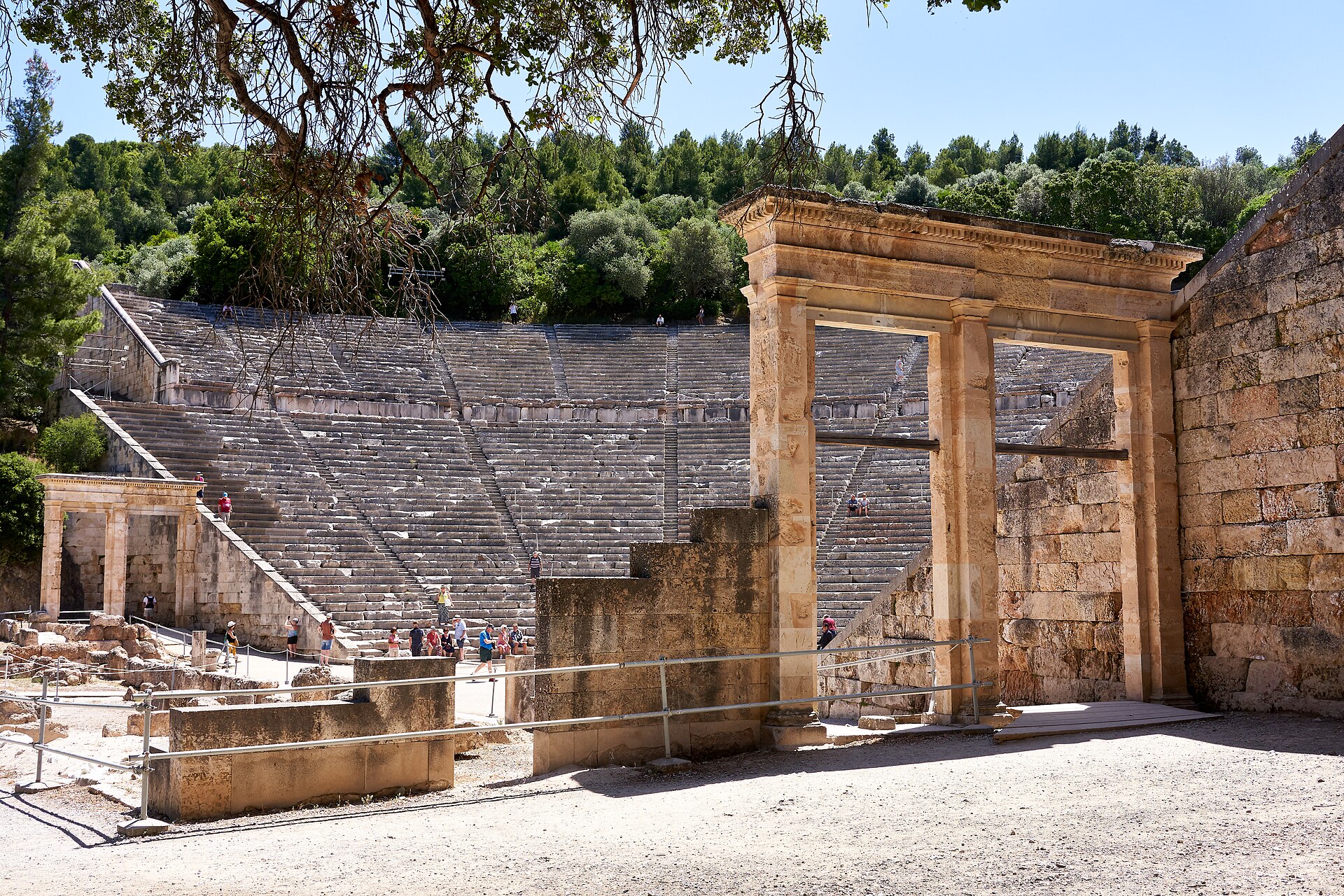
The theatre at ancient Epidaurus is famous for its perfect sound. A coin dropped on the stage can be heard from the top rows, and guides love to show it. School classes and choirs often test it themselves with a song or a short speech.
Its curved stone seats climb a green hillside, and the shape has inspired builders ever since. The theatre still hosts ancient Greek plays on summer nights, so groups watch old stories in a truly ancient setting. Few evenings in Greece feel as special.
Beside the theatre lies the Sanctuary of Asklepios, the god of healing. Long ago, ill visitors came here to rest, pray and hope for a cure, so it worked like an ancient hospital. A little museum displays statues and medical instruments found on the site.
Near the coast, Little Epidaurus is a smaller theatre in a seaside village nearby. It hosts concerts on summer evenings, and the setting feels warm and friendly. The practical guide to Greek ruins helps groups plan visits to both theatres with ease.
Which Greece tours and amenities work at Epidaurus?
Guided day trips are the most common Greece tours here. Many leave from Nafplio or Athens and pair Epidaurus with other famous ruins on the same day. Lists of the top archaeological sites in Greece show why this area draws so many groups.
Evening Greece tours to summer performances suit clubs, theatre lovers and company teams. These trips include transport there and back, so nobody drives on unlit country roads. Groups bring a cushion and a light jacket, since the stone seats are hard and the hills cool down at night.
Key amenities on Greece tours to Epidaurus include a licensed guide, entry tickets and shaded breaks under the pine trees. Audio guides help groups who want extra detail at the sanctuary. Toilets and a café near the entrance make the visit easy for families with young children.


Which Greece tours suit groups in Monemvasia?
The best Greece tours for groups in Monemvasia are guided walks through the rock town, climbs to the upper town and overnight stays. Wine tastings add a delicious local touch. The town suits families, clubs and friends who enjoy history and sea views.
What can groups see in Monemvasia?
Monemvasia is a town built on an enormous rock that rises from the sea. A narrow causeway, a raised road over the water, links it to the mainland. Its name means single entrance, because a single gate leads into the town from the land.
Inside the walls, the lower town hides stone lanes, arches, little churches and comfortable guesthouses. No cars enter, so groups wander slowly and safely, even with young children. Every corner offers a new view of the sea, and these photography tips for Greece tours help the group capture it well.
A zigzag path climbs to the upper town on top of the rock. Most of it lies in ruins now, but the views reach far along the coast. Energetic members enjoy the steep ascent, while others relax in a shady café in the lower town.
At the top stands Agia Sofia, a Byzantine church on the edge of the cliff. Byzantine means it comes from the long era of the eastern Roman emperors. Its old painted walls and simple dome show famous Greek architecture at its most peaceful.
Which Greece tours and amenities work in Monemvasia?
Guided walks are the best Greece tours for groups who want to understand the rock town. A local guide explains the old trade, the sea walls and the life of the families who lived here. Evening walks suit groups who prefer cooler air and golden light.
Wine tastings are a local highlight, since the famous Malvasia wine took its name from Monemvasia. Adult members sample sweet and dry wines with cheese and olives. The guide to popular wine regions in Greece shows where else to taste on the trip.
Overnight Greece tours turn a quick visit into a real escape for the group. Many guesthouses sit inside the walls, and porters or hand carts move luggage through the car-free lanes. A licensed guide, a seaside dinner and quiet evening walks complete the experience.
Which Greece tours suit groups in Mani and the Diros caves?
The best Greece tours for groups in Mani are scenic road trips through tower villages. Boat rides inside the Diros caves and slow seaside lunches complete the day. The region feels wild, quiet and very different from the busy ancient sites further north.
What can groups see in Mani and Diros?
Mani is a rugged region of stone, olive trees and steep mountains that drop into the sea. Its tower villages look like small castles, because rival families once built tall stone houses for defence. These villages count among the most traditional Greek villages in the country.
Areopoli is the main town of the area, with stone lanes, old churches and a lively square. Local people here helped begin the Greek struggle for independence from Turkish rule. Nearby, Limeni is a tiny harbour village with clear turquoise water and fish tavernas.
The Diros caves are the star attraction on Greece tours of Mani. Groups travel through them in little boats along underground waterways, past stalactites hanging like icicles from the ceiling. Children and adults love the cool air, the still water and the quiet, magical light.
Gythio, the port town at the gateway to Mani, has colourful houses along the harbour and a small island linked by a causeway. Myth says Paris and Helen of Troy stayed here on their way to Troy. Groups end the day with a seafood dinner beside the water.
Which Greece tours and amenities work in Mani?
Private tours with a driver-guide are the best Greece tours for Mani, since the roads are narrow and winding. This local expert knows the safest stops, the best viewpoints and the family tavernas. Big families and clubs relax while someone else handles every bend.
Energetic groups add guided hikes on old stone paths between the tower villages. Groups who love walking compare them with the top hiking trails in Greece before choosing a route. Swim stops at Limeni or near Gythio cool everyone down after the walk.
Key amenities on Mani Greece tours include a comfortable minibus, entry tickets for the caves and long lunches in village tavernas. Groups who visit the Diros caves bring a light jacket, since the air inside stays cool. Comfortable shoes help on the damp walkways near the boats.
Which places do group Greece tours in the Peloponnese reach?
Group Greece tours that start in the Peloponnese also reach nearby islands, central Greece, Athens and the famous Aegean islands. Many groups add these places before or after the main loop. Good links by road, ferry and plane make these extensions easy to plan for any group.
Peloponnese and nearby
Some islands sit close to the Peloponnese and suit a calm extra stop on Greece tours. Groups reach them by ferry from nearby ports, so the trip stays relaxed and simple. These places are perfect for friends and families who want quiet beaches after busy ruins.
- Kythira, a quiet island of waterfalls, stone villages and clear, hidden coves
- Agistri, a small pine-covered island with calm turquoise bays for swimming
Central and northern Greece
Many groups pair the Peloponnese with the mainland north of Athens on longer trips. Coaches and trains link most of these places, which suits school classes and clubs on extended Greece tours. Each stop adds a different side of Greek history, faith, food and nature.
- Delphi, the mountain sanctuary where a priestess spoke for the god Apollo
- Meteora, monasteries perched on top of giant rock pillars
- Pelion, a green mountain of stone villages above the sea
- Thessaloniki, a lively northern city famous for food and seafront walks
Athens and islands
Almost all Greece tours for groups start or end in Athens, so the capital is an easy addition. From there, ferries and short flights reach the most famous Greek islands. These extensions suit groups who want sunsets, beaches and lively evenings after all the history.
- Athens, the capital with the Acropolis and lively old neighbourhoods
- Santorini, white villages on cliffs above a flooded volcanic crater
- Mykonos, windmills, sandy beaches and a famously lively harbour town
- Crete, the largest Greek island, home of the ancient palace of Knossos
How do groups plan Peloponnese Greece tours over one week?
Groups plan a one-week trip by spending two days in Athens, then looping through Corinth, Nafplio, Mycenae, Epidaurus, Olympia and Monemvasia. Each day mixes famous sites with free time and rest. This steady pace suits big families, clubs and company teams on Greece tours.
How do groups spend two days in Athens?
Athens makes the perfect start, since most international flights land there. The first day covers the Acropolis, with its marble Parthenon temple, and the old Plaka district below. The Athens itinerary for first-timers shows how to fit the highlights into a relaxed day.
Groups on Greece tours start early to beat the heat and the crowds on the hill. A licensed guide keeps everyone together on the busy paths and explains the myths in plain words. Afternoons suit the Acropolis Museum, where cool rooms give tired legs a rest.
The second day gives the group more freedom. Some members visit the ancient Agora, the old market square, while others shop or relax in a café. Many groups end the day at the sea temple of Cape Sounion, a classic among day trip ideas from Athens.
Groups with mixed interests split the second day into small teams. Food lovers join a market tour, history fans visit more museums and families find a park or a beach. Everyone meets again in the evening for a shared dinner with a view of the Acropolis.
Athens also works as the base for packing and planning before the road trip begins. The organiser confirms the coach, the guide and the hotels for the week ahead. Members repack into smaller bags, since multi-day Greece tours change hotels often along the route.
How do groups tour Corinth, Nafplio, Mycenae and Epidaurus?
On the third day, the coach leaves Athens and stops at the Corinth Canal, a narrow channel cut through solid rock. Ancient Corinth follows, with its temple columns and the stage where Apostle Paul spoke. The group reaches Nafplio by late afternoon, in time for a swim.
Nafplio makes a lovely base for two nights. Its charming old town, harbour castle and hilltop fortress fill the evening with easy strolls and seaside dinners. Staying in one hotel on Greece tours saves packing time and lets tired members rest properly.
The fourth day covers Mycenae and Epidaurus, both a short drive from Nafplio. At Mycenae, the group walks through the Lion Gate into the royal citadel, a fortified hilltop town. At Epidaurus, everyone tests the famous sound of the ancient theatre with a song.
This day on Greece tours suits a licensed guide, since both sites need clear stories to come alive. Lunch at a village taverna between the visits breaks up the heat. Groups return to Nafplio with free time for ice cream by the water.
Families with young children keep this part of their Greece tours gentle. They visit one site in the morning, rest at the hotel pool in the afternoon and walk the harbour at sunset. Nobody minds skipping a ruin when the whole group stays happy.
How do groups finish at Olympia and Monemvasia?
On the fifth day, the coach crosses the green heart of the Peloponnese to Olympia, birthplace of the ancient Olympic Games. The group runs a friendly race in the old stadium and visits the museum. Sports clubs and school classes love this stop most of all.
On the sixth day, the route turns south-east to Monemvasia, the rock town by the sea. The drive is long, so the group stops for coffee and a leg stretch along the way. Evening walks through the car-free lanes reward everyone for the journey.
On the final morning, energetic members climb the zigzag path to the upper town and its cliff-top church. Others browse craft shops and sip coffee beside the sea walls. A relaxed lunch on a terrace above the water gives the week a peaceful final highlight.
The long drive back brings the group to Athens in time for dinner or a late flight. Leaders build in a buffer, since long drives on Greece tours always take a little longer with a big group. A final group photo at the coach ends the week well.
Some groups prefer to drive themselves and stay flexible. The guide to self-guided itinerary planning helps them choose hotels, driving times and rest days. Large groups still book licensed guides for the main sites, since only licensed guides can lead groups inside.
Whatever the style, a one-week loop gives a group a rich taste of the Peloponnese without rushing. Greece tours built this way leave time for swims, long lunches and shared stories. Members return home tired, happy and already planning the next trip.
More questions about Greece tours for groups
Group organisers ask the same practical questions before they book, and clear answers make group Greece tours easier for everyone involved. The answers below cover guides, children, changes, pickups, tipping and clothing on Greece tours.
Can a group hire a private guide in the Peloponnese?
Yes, groups hire private licensed guides for single sites, full days or whole trips across the Peloponnese. A private guide sets the pace for the group, adapts the stories to every age and answers every question. Booking early secures the most popular guides in the busy summer months.
Are Peloponnese Greece tours good for children?
Yes, Peloponnese Greece tours suit children well, thanks to ancient running tracks, castles, myths, beaches and boat rides. Families pick shorter visits, plenty of shade breaks and hotels with swimming pools. A guide who tells stories with heroes, gods and monsters keeps young minds busy all day.
Can group Greece tours be changed after booking?
Most group Greece tours allow some changes after booking, such as group size, pickup points or meal choices, if the organiser asks early. Each operator sets its own rules, so the organiser checks them in writing. Big changes close to the travel date can bring extra costs, so early notice helps.
Do Peloponnese Greece tours include hotel pickup?
Many Peloponnese Greece tours include hotel pickup in Athens or Nafplio, while others meet at a central point. The booking details show clearly which option applies. Private tours collect the whole group from its own hotel door, which saves time and stress with children and luggage.
Is tipping expected on group Greece tours?
Tipping is not required on group Greece tours, but guides and drivers welcome a tip for good service. Many groups collect a small amount from each member near the end of the trip. The organiser hands it over on the last day with a short thank-you card from everyone.
What should groups wear at ancient sites?
Groups wear light, breathable clothes, a wide hat and sturdy shoes with good grip, since ancient paths are uneven and slippery. Churches and monasteries ask all visitors to cover shoulders and knees. A light scarf or shawl in every day bag solves this quickly and politely.
See more in Athens SEO: